US Moves to Block China Indirect Access to American AI
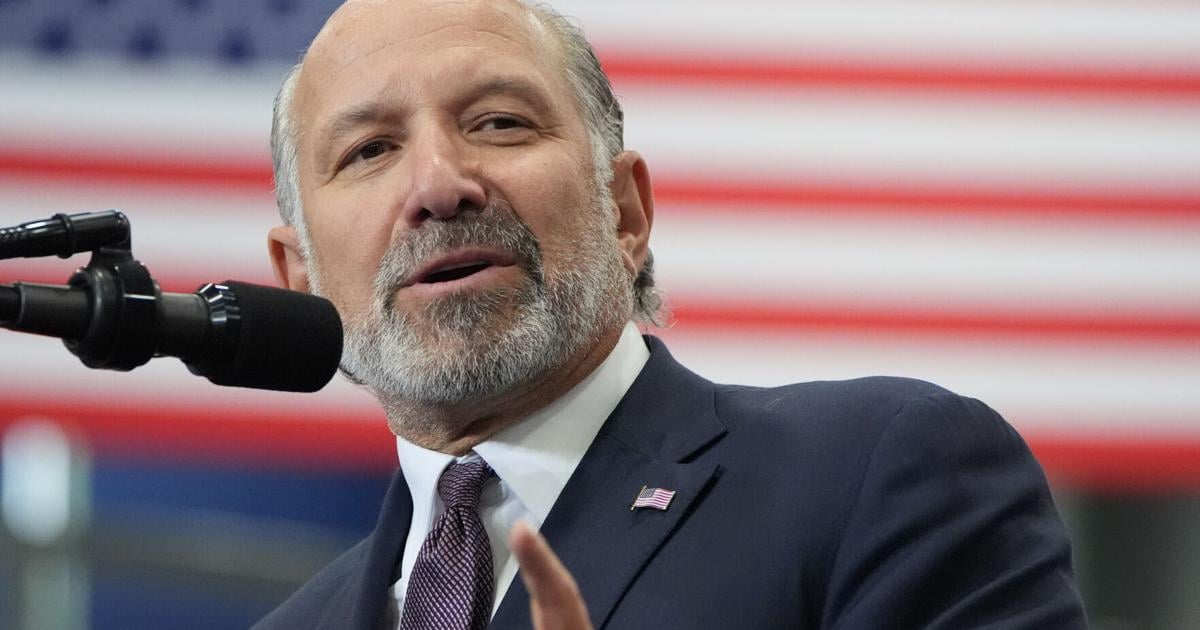
The Trump administration is moving to block China from getting indirect access to American AI technology, according to AP News. Officials want to stop Chinese groups from using third parties or remote networks to tap into powerful US computer tools. This step marks another major push to keep advanced technology strictly within reach of trusted partners.
Why is the US blocking indirect access to American AI technology?
Government leaders worry that open access to top software lets other nations build strong systems very fast. Even when direct sales stop, people can often rent server time or buy tools through middlemen in other countries. Blocking indirect access aims to shut down those side doors before they grow bigger.
Officials say advanced software can help power modern tools and military systems. Because of this, leaders treat code and computing chips as key defense tools rather than simple store products. Taking action now shows how serious the race for computing power has become between large countries.
What does this move mean for tech companies?
American tech firms will likely face tighter checks on who uses their remote platforms and services. Cloud companies may need to spend more time checking customer identities to ensure buyers are not secretly working for blocked groups. This can raise costs and slow down business deals across borders.
- Firms must check customer backgrounds more carefully.
- Foreign branches might face stricter rules on sharing software tools.
- Global sales of computing services could slow down as checks increase.
At the same time, smaller startups that rely on global clients could find these rules hard to follow. Big corporations have legal teams ready for new limits, but smaller groups often struggle with red tape. The whole sector will have to adjust how it sells digital access abroad.
What could happen next in the global tech race?
China is already spending large amounts of money to build its own chips and software programs at home. When outside tools become harder to reach, local developers tend to work harder on domestic options. Over time, this split could divide the world into two totally separate tech systems that do not work together.
Other countries will also have to choose how closely they follow these American standards. Many nations want to stay friends with both trade powers, so strict rules force them into difficult spots. Observers will watch closely to see if other governments copy these measures or push back to protect their own trade deals.


Comments
Post a Comment