Why crypto prices go up and down every day

Crypto prices move fast and can change by hundreds of dollars while you eat lunch. Most people feel a bit sick when they see a big red line on a price chart for the first time. It is normal to feel confused when your money seems to vanish and then reappear the next day.
The short answer is that crypto prices change because of supply and demand. If more people want to buy a coin than sell it, the price goes up. If everyone tries to sell at the same time, the price crashes. Because crypto is still new and small compared to the stock market, even a few big buyers can move the needle in a huge way.
The basic rule of supply and demand
Think about a rare toy or a pair of shoes that everyone wants. If the store only has ten pairs but a hundred people are waiting outside, those shoes become very expensive. People will pay extra just to make sure they get one. This is exactly how Bitcoin works when prices are climbing.
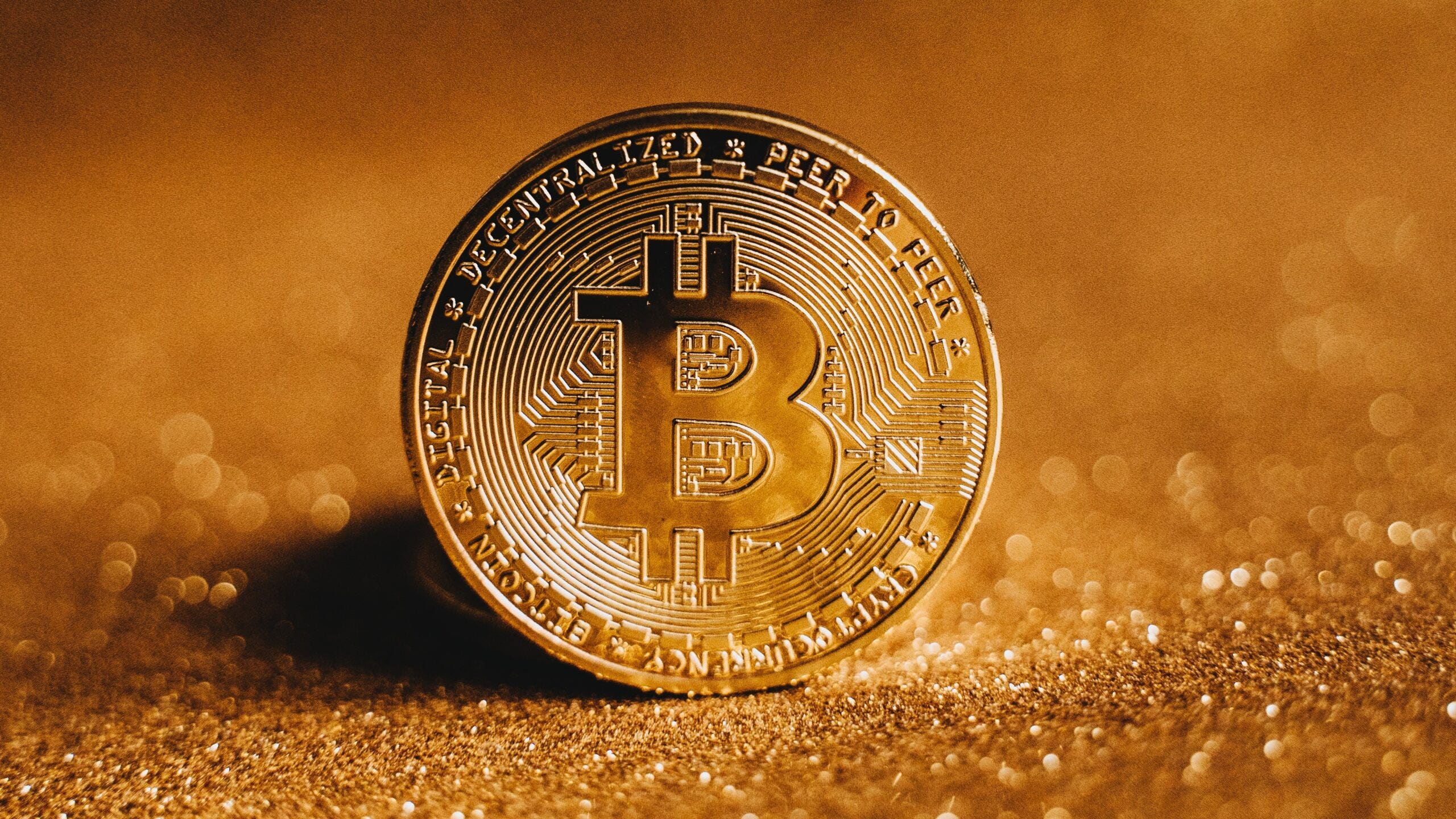
Crypto often has a set limit on how many coins will ever exist. For example, there will only ever be 21 million Bitcoin. When a big company decides to buy thousands of them, there are fewer left for everyone else. This makes the remaining coins feel more valuable. Sellers then ask for a higher price because they know buyers are desperate to get in.
On the other hand, if a famous person says they do not like a coin anymore, people might get scared. They all try to sell their coins at the same time to save their money. If there are no buyers at the current price, sellers have to drop their price lower and lower to find someone willing to take the coins. This is why you see those scary drops in value.
How news and social media change the mood
The mood of the market is a big deal in the world of digital money. One tweet from a billionaire can send a price up by 20 percent in an hour. This happens because many new buyers watch social media to decide what to do. They do not want to miss out on a chance to make money, which people call FOMO.
Good news makes people feel brave. If a country says they will allow crypto to be used in shops, prices usually go up. People think the coin will be more useful in the future. Just like how the US moves to block China indirect access to American AI affects tech stocks, news about laws affects crypto. If a government says they might ban crypto, the price often falls because people are afraid of getting into trouble.
Bad news spreads faster than good news. If a major exchange gets hacked, people lose trust in the whole system. Even if the coin itself is fine, the fear makes people sell. Trust is the glue that keeps the price steady. When that glue fails, the price drops until people feel safe again.
The role of big players called whales
In the crypto world, a whale is someone who owns a massive amount of a certain coin. These are not just regular people with a few hundred dollars. These are individuals or groups with millions or even billions of dollars in their digital wallets. When a whale moves, the whole market feels the waves.
Imagine a small pond with a hundred tiny fish. If one giant whale jumps in, the water level goes up for everyone. If that whale leaves suddenly, the water level drops. If a whale sells a huge amount of crypto at once, it can trigger a price drop that scares regular people into selling too. This can lead to a chain reaction where the price keeps falling for hours.
Some whales use their power to try and change the price on purpose. They might sell a lot to make the price look bad, wait for it to hit the bottom, and then buy even more coins at a discount. This is why it is smart to look at the main crypto news page to see if a big move was just one person or a real change in the market. Regular buyers often get caught in the middle of these big moves.
How the wider economy hits your wallet
Crypto does not live in a bubble. It is tied to what is happening with regular money, like the dollar or the euro. When the cost of living goes up, people have less extra cash to spend on risky things like crypto. They might sell their coins just to pay for gas or food. This puts downward pressure on the price.
Interest rates are another big factor. When banks pay more interest on savings accounts, people feel it is safer to keep their money there. They do not feel the need to take risks with crypto to grow their wealth. But when interest rates are low, people look for other ways to make money, and they often turn to the cryptocurrency markets.
You can see this clearly when the stock market has a bad day. Often, crypto prices follow the stock market down. Even though crypto was meant to be different from old money, investors still treat it as a risky asset. If they are worried about the world, they sell the risky things first to keep their cash safe.
Tech updates and new features
Sometimes a price moves because the technology behind a coin gets better. If a coin was slow and expensive to use, but then a new update makes it fast and cheap, people get excited. This is a real reason for a price to go up that is not just based on hype or fear. It shows the coin is becoming more useful in the real world.
However, updates can be risky too. If an update has a bug or a mistake in the code, the price can crash instantly. Investors hate uncertainty. They want to know that the tech is solid and safe. If a team of developers stops working on a project, the price will usually slowly bleed out until it hits zero because nobody believes in its future anymore.
It is also worth watching how many people are actually using the coin. If a coin has a high price but nobody is using it to buy things or run apps, that price might be a bubble. Bubbles happen when the price is much higher than the actual value of the thing. Eventually, every bubble pops, and the price returns to what it is actually worth.
Watching prices go up and down can feel like a rollercoaster ride. The best thing you can do is never put in more money than you can afford to lose. If the price dropped to zero tomorrow, would you still be okay? If the answer is no, you might be taking too much risk.
Do you check your crypto balance every single morning, or do you prefer to look only once a month?


Comments
Post a Comment